
Imagine preparing to sell your home, a property you’ve renovated and invested in, only to discover that a stranger has placed a $24 million lien on it for “cleaning services.” For a group of homeowners in the Beverly Hills area, this nightmare became a reality.
As recently covered by local news, a businesswoman operating as “Ortiz Consulting LLC” has allegedly filed 35 mechanics liens against properties since 2023, claiming a total of more than $568 million in unpaid work. The liens, filed against homeowners who claim to have never done business with the company, include bizarre descriptions like “cleaning services” and “business consulting” allegedly valued in the tens of millions of dollars.
While this case is egregious and currently under active criminal investigation by the LAPD, it serves as a stark warning for all California property owners: mechanics liens are incredibly easy to file and can be devastatingly difficult to remove.
If you discover a lien on your property, here is what you need to know and the steps you must take to protect your investment.
What is a Mechanics Lien?
Under California Civil Code Sections 8000-9566, a mechanics lien is a legal claim against a property made by a contractor, subcontractor, or material supplier who has not been paid for work done to improve that property. It is a powerful tool designed to ensure that workers get paid. However, as this recent case illustrates, it can also be weaponized by bad actors to create a “cloud on the title,” effectively freezing the owner’s ability to sell or refinance their home.
The First Step: Don’t Panic, Investigate
If you receive notice of a lien or discover one on your title report, your first action should be to verify its validity. According to guidance from the Contractors State License Board (CSLB) and California legal code, a lien may be invalid if the claimant failed to follow strict procedural rules.
Use this checklist to look for “fatal flaws”:
- Was a Preliminary Notice Served?Except for direct contractors or laborers, anyone filing a lien must have served you a “Preliminary Notice” within 20 days of first starting work or supplying materials. If they did not provide this notice, their lien rights are likely limited or void. In the Beverly Hills case, homeowners stated they had never even heard of the lien claimant, making it highly unlikely this requirement was met.
- Was the Lien Filed on Time?The claimant must record the mechanics lien within strict deadlines:
- 90 days after the completion of the work.
- If the owner filed a “Notice of Completion,” the deadline shrinks to 60 days.
- If the deadline has passed, the lien is invalid.
- Is the Lien Facially Valid?Does the lien claim an absurd amount of money for work that couldn’t possibly have been performed on your property? The CSLB notes that a lien may be invalid if the work was not completed or the supplies were not part of the plans.
How to Remove an Invalid or Fraudulent Lien
Once you suspect the lien is invalid, you must take proactive steps to clear your title. Ignoring a lien can lead to a “foreclosure action,” where the claimant could potentially force a sale of your property to satisfy the debt. More immediately, it will block any sale or refinance.
Here are the legal remedies available to you:
1. Send a Formal Demand Letter
As recommended by the CSLB, send a written request via certified mail to the lien claimant. Detail the deviations from the legal checklist you have identified and demand that they remove the lien. Importantly, remind them that under recent changes to the law, if you are forced to hire an attorney to remove an invalid lien, the court can award you reasonable attorney’s fees. Sometimes, the threat of paying your legal bills is enough to persuade a bad actor to back down.
2. File a Petition to Release the Lien (California Civil Code § 8480)
If the claimant refuses or fails to respond, you can petition the superior court for a decree to release the property from the lien. This is a faster procedure than a full-blown lawsuit and is designed specifically for removing invalid or expired claims. As one attorney explained in the local news coverage, the only ways to remove a lien are for the filer to lift it or for a court to order it removed.
3. Post a Release Bond
If you are in the middle of selling or refinancing and cannot wait for a court hearing, you can ask the court to allow you to post a “release bond.” This bond is usually set at 1.5 times the amount of the lien. The bond effectively replaces the property as security for the claim, allowing you to transfer clear title to a new buyer while the lien dispute is litigated separately against the bond.
A Growing Concern: Fraudulent Liens and Criminal Penalties
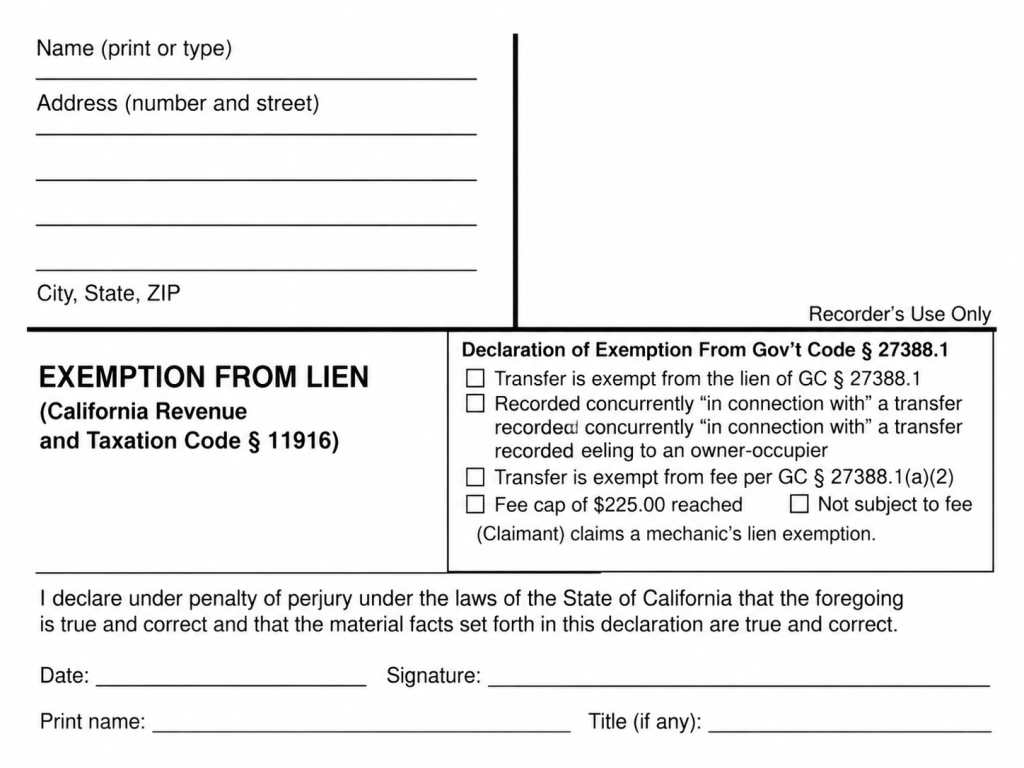
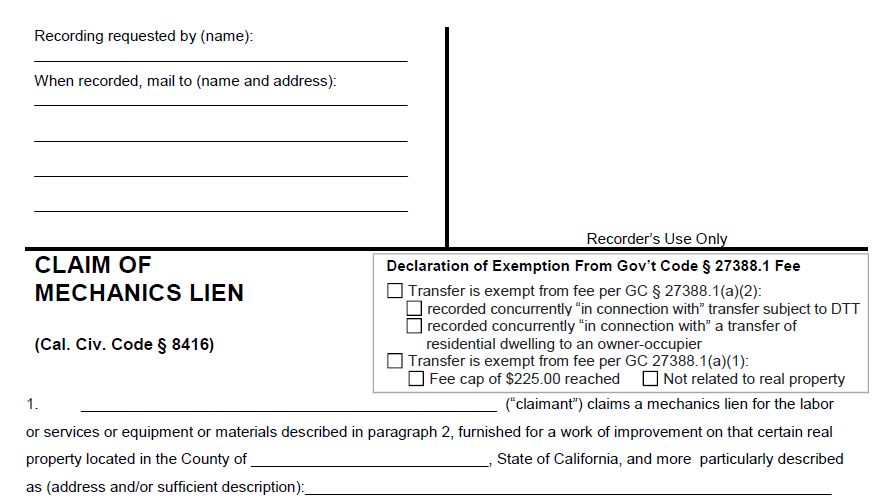
The Beverly Hills case is an extreme example, but it highlights a vulnerability in the system. As one legal expert noted, filing a lien is as easy as printing a one-page form and walking it to the county recorder’s office. The county recorder’s office does not determine the merits of a lien; only a court can do that.
However, claimants should be warned: filing a false lien has consequences. In addition to civil penalties for “slander of title,” filing a knowingly fraudulent lien can lead to criminal charges. In the Ortiz case, the LAPD’s Commercial Crimes Division is now conducting an active criminal investigation. If you are a victim of a fraudulent lien, filing a police report can help alongside your civil legal action.

Key Takeaways for Homeowners
- Monitor Your Title: The County Recorders Office will send you copies of anything that is recorded on your property, do not ignore these, if it looks suspicious, have a professional take a look at it.
- Act Quickly: A mechanics lien is only valid for 90 days unless the claimant files a lawsuit to foreclose. In the news reports, none of the homeowners stated that Ortiz had filed a foreclosure lawsuit, meaning the liens may expire on their own. However, even an expired lien can cause title issues, so it must be formally removed.
- Seek Legal Counsel: Navigating the California Civil Code and lien removal process requires expertise. An experienced real estate attorney can help you distinguish a valid claim from a fraudulent one and take the fastest, most cost-effective path to clearing your title.
The mechanics lien is a powerful tool meant to protect workers, but as recent events prove, it is also subject to abuse. If a mysterious lien appears on your property, know your rights and fight back with the full force of the law.
Frequently Asked Questions (FAQs) About Mechanics Liens
Q: What is a “foreclosure action” in the context of a lien?
A: A foreclosure action is a lawsuit filed by the lien claimant. If successful, the court could order your property sold to satisfy the debt claimed in the lien. This is the most serious consequence of a mechanics lien, which is why prompt legal action is critical.
Q: If the lien is clearly fraudulent, can I sue the person who filed it?
A: Yes. You may have a claim for “slander of title,” which is a legal action for falsely and maliciously disparaging your property rights. If successful, you may be able to recover damages, including the cost of removing the lien and any lost profits from a delayed sale. The threat of paying your attorney’s fees can also be a powerful tool during negotiations.
Q: What if the lien claimant is an unlicensed contractor?
A: This is a critical detail. Under California law, an unlicensed contractor cannot foreclose on a mechanics lien if the work is valued at more than $500. While they may still file the lien, their inability to enforce it in court significantly weakens their position and can help you get the lien removed more quickly.
Q: Does the county recorder’s office verify the truth of the lien before accepting it?
A: No. As confirmed in the news report, the recorder’s office does not determine the merits of a lien. Their role is ministerial, they simply record documents that meet basic formatting requirements. It is up to the court system to decide if a lien is valid or not.

Don’t Let a Fraudulent Lien Cloud Your Future, Contact Us Today
If you have discovered a mechanics lien on your property, time is of the essence. Whether the lien is the result of a legitimate dispute or an apparent act of fraud, the Law Office of Steve Lopez APC is here to help you navigate the complexities of California lien law and protect your most valuable asset.
We understand the stress and uncertainty that comes with a clouded title. Our team offers personalized, strategic solutions to property owners facing these challenges, including:
- Immediate Lien Validity Reviews: We will examine your lien documents against the strict requirements of the California Civil Code to identify any fatal defects or procedural errors.
- Aggressive Lien Removal: From drafting demand letters to filing court petitions to release property, we take swift action to clear your title.
- Defense Against Foreclosure Actions: If a lien claimant has filed a lawsuit against you, we will build a robust defense to protect your equity and your home.
Don’t wait until a lien derails your home sale or refinance. Let us fight to clear your name and your title.